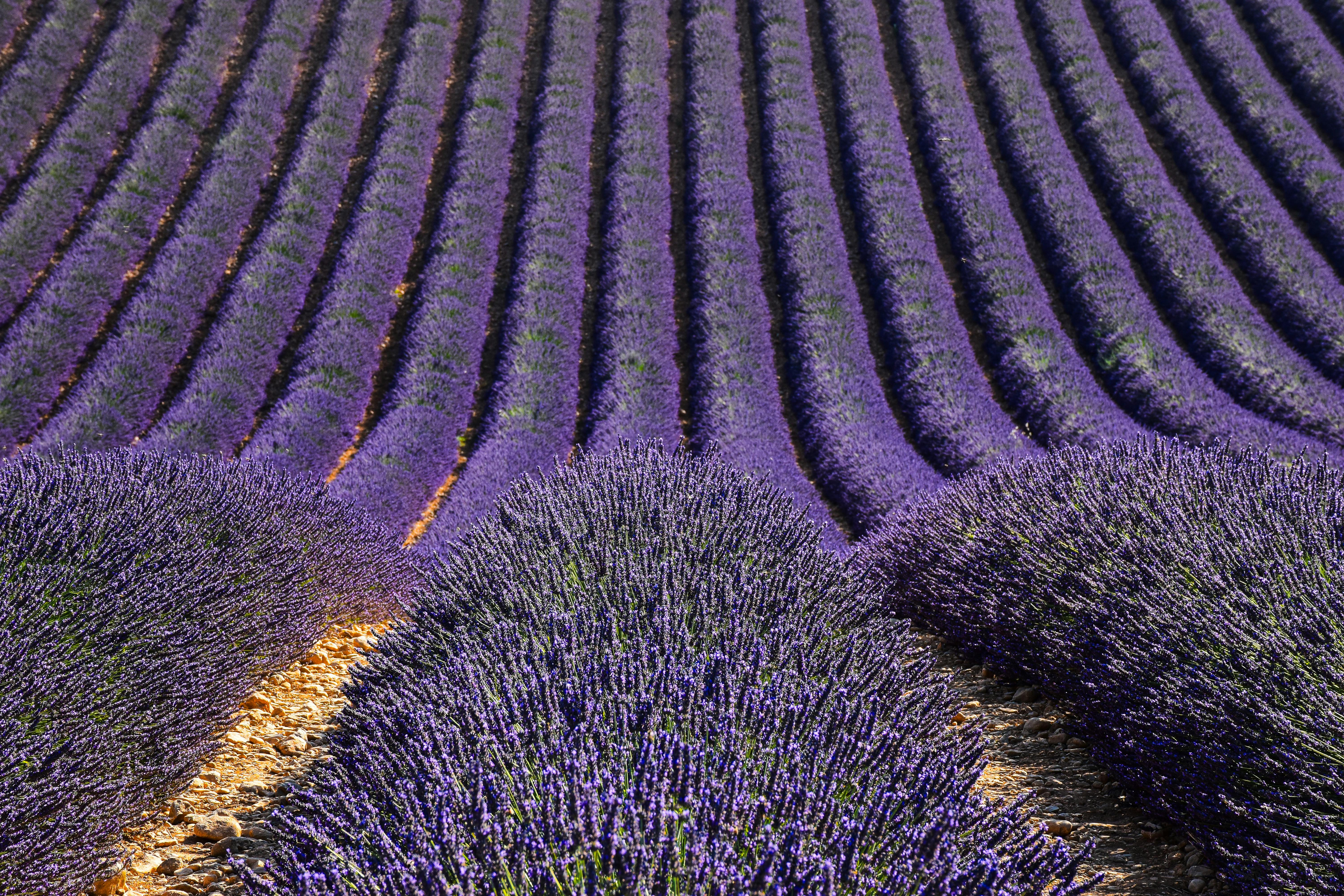
Lavender Provence Map: Your Essential Guide to Blooming Fields
Embark on a sensory journey through the heart of Southern France as you explore the breathtaking beauty of its lavender landscapes. For anyone planning a trip, a comprehensive Lavender Provence map is an indispensable tool, guiding you through vast fields of fragrant purple, charming hilltop villages, and sun-drenched valleys. This guide will illuminate the prime regions, the magical bloom seasons, and offer insights into planning your perfect Provencal adventure, ensuring you capture the essence of this timeless and enchanting destination.
Unveiling the Lavender Provence Map: Key Regions and Landscapes
Experience the Valensole Lavender Fields
Embark on an unforgettable private tour to the heart of Provence's most iconic lavender landscapes. Our expert guides ensure a luxurious and insightful journey through the stunning Valensole Plateau, offering unparalleled access and local expertise built on 26 years of experience.
Discover Valensole Tour →Provence is a region of diverse landscapes, and its lavender fields are spread across several distinct areas, each offering a unique charm and experience. Understanding these key regions on your Provence lavender map is crucial for planning your itinerary.
1. The Valensole Plateau (Alpes-de-Haute-Provence)
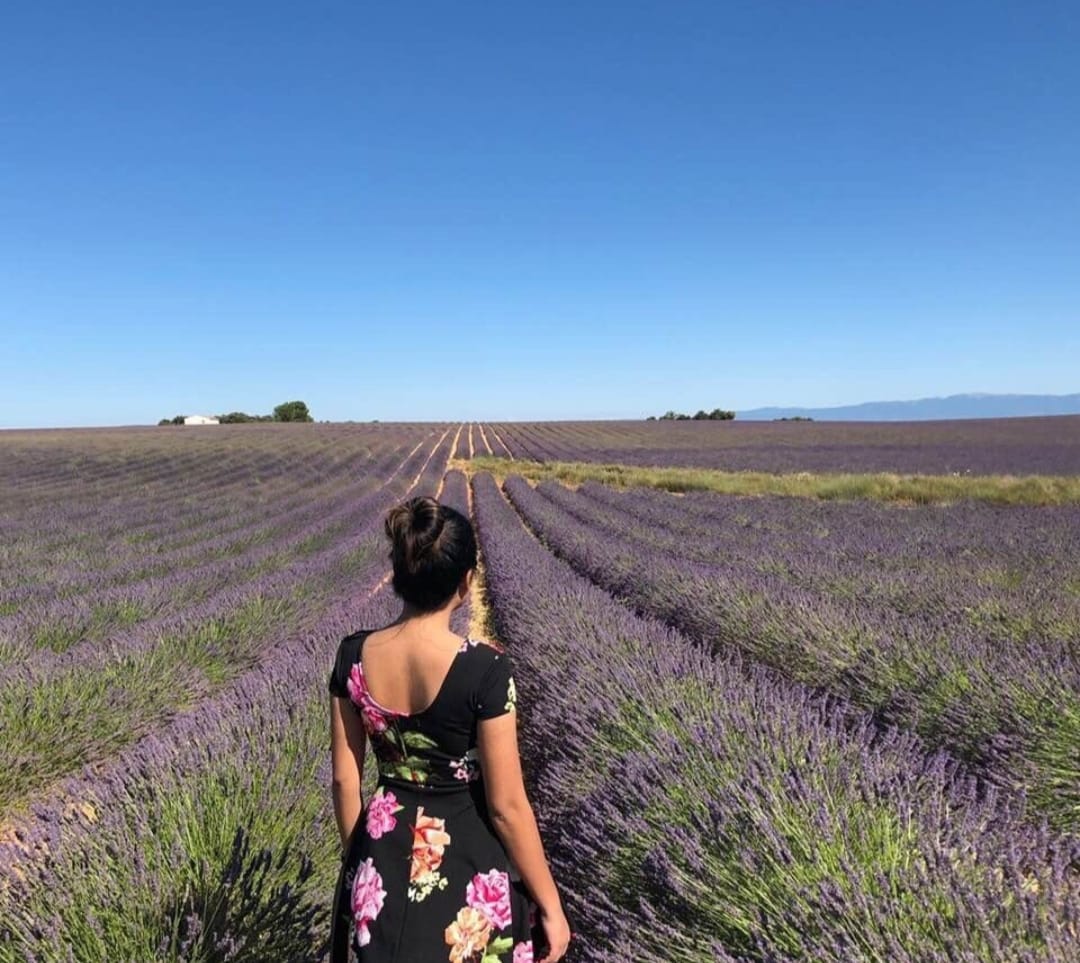
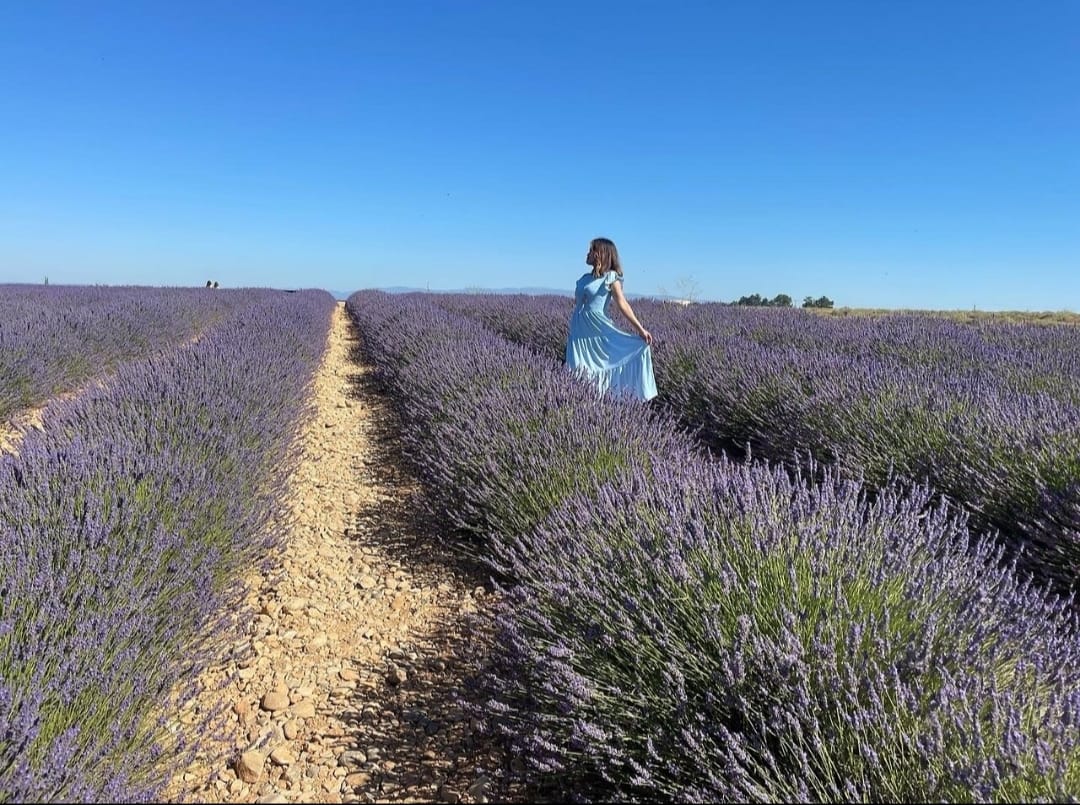
Widely considered the most iconic and extensive lavender region, the Valensole Plateau is synonymous with the classic Provencal lavender experience. Located between the Luberon and the Gorges du Verdon, this vast plateau stretches for hundreds of square kilometers, featuring seemingly endless rows of vibrant purple that blend seamlessly with golden wheat fields. It's here that you'll find those postcard-perfect panoramic views. Valensole itself, a charming village, serves as the unofficial capital of this lavender heartland. Accessible within 1.5-2 hours from Marseille cruise port or Aix-en-Provence, the Valensole Plateau is perfectly suited for a full-day private tour from either location.
2. The Luberon Valley and Sault (Vaucluse)
Nestled within the picturesque Luberon Regional Natural Park, this area offers a different, often more intimate, lavender experience. While the fields here might not be as vast as Valensole, they are beautifully integrated into the undulating hillsides, often framed by ancient oak trees and charming stone villages like Gordes, Roussillon, and Bonnieux. The area around Sault, perched on a hilltop overlooking its own lavender fields, is particularly famous. Due to its higher altitude, the lavender in Sault tends to bloom a little later than Valensole, extending the season. The Luberon Valley is easily accessible from Marseille cruise port (approximately 1.5-2 hours) and can be combined with visits to the region's most beautiful perched villages in a comprehensive day tour.
3. Drôme Provençale (Drôme)
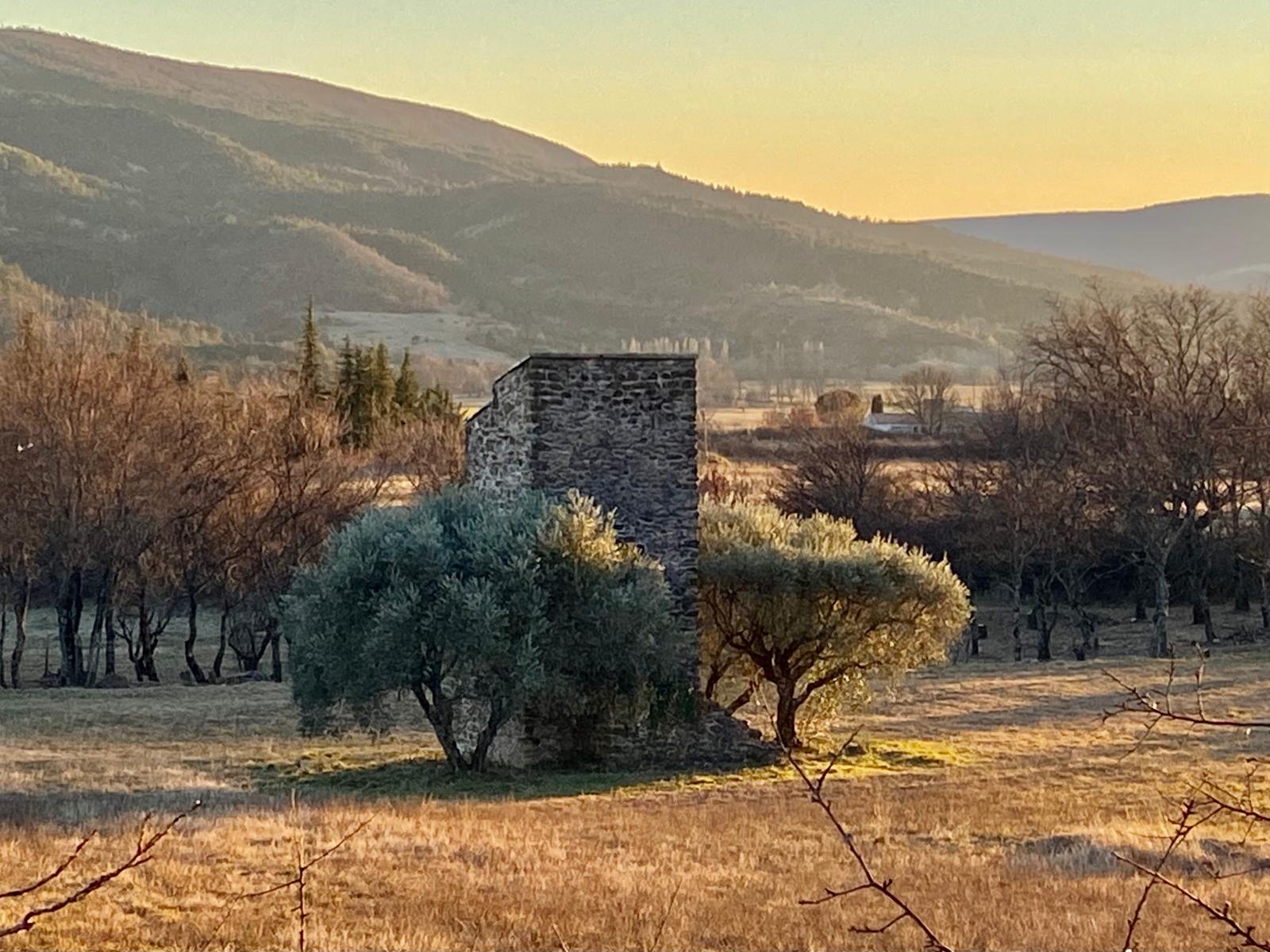
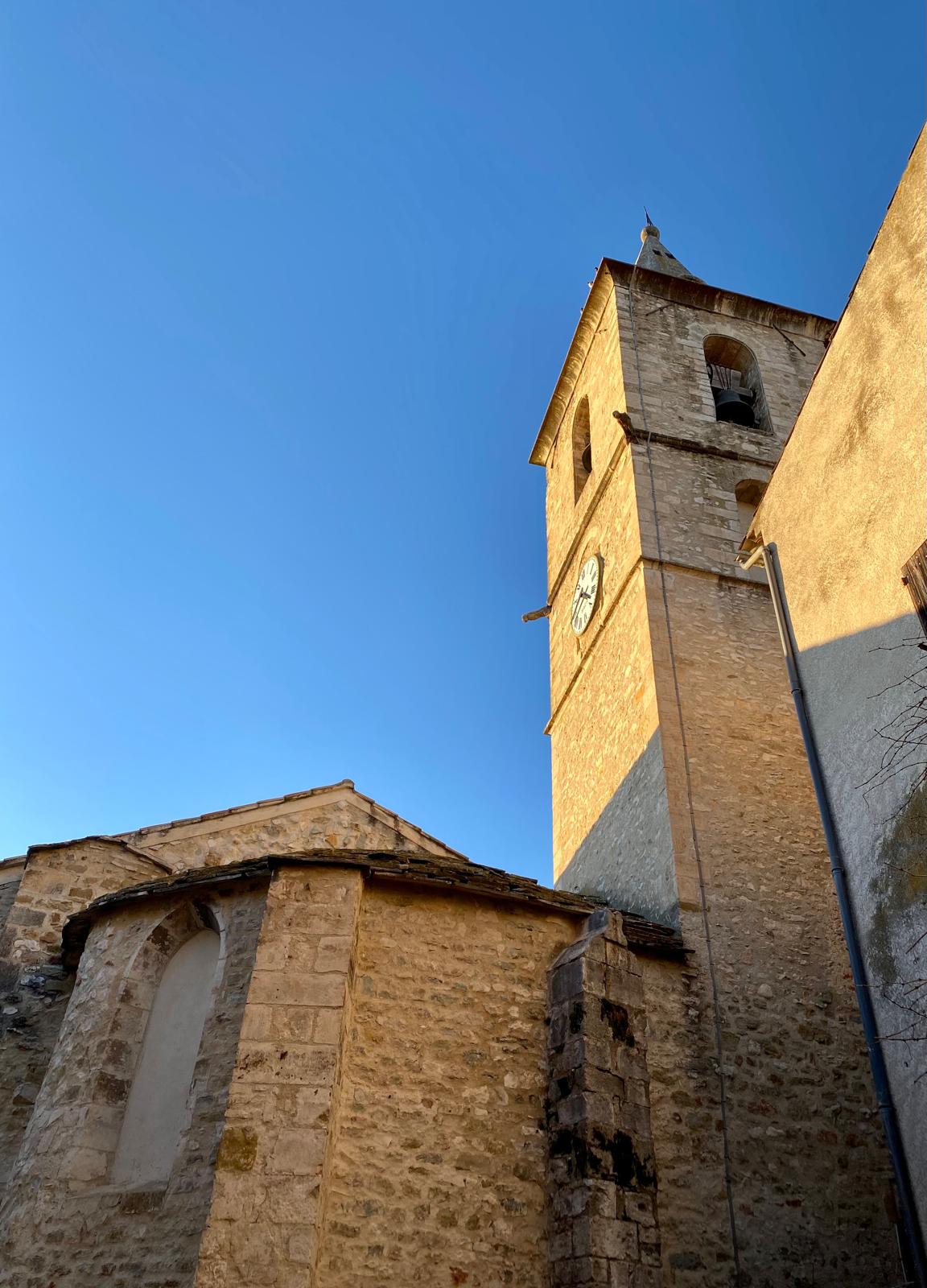
Further north, the Drôme Provençale offers a more tranquil and less crowded experience. This region is characterized by its rolling hills, olive groves, and charming medieval villages. The lavender fields here, while still extensive, often feel more rustic and integrated into the agricultural landscape. Towns like Grignan and Nyons are excellent bases for exploring this area. The bloom here can also extend slightly longer into July, sometimes even early August, making it an option for those visiting later in the summer.
Lavender Species and Varieties in Provence: A Botanical Overview
Understanding the botanical classification of lavender in Provence is essential for appreciating the diversity of these aromatic landscapes. The region primarily features two key species with distinct characteristics, cultivation requirements, and applications.
Comparative Overview: True Lavender vs. Lavandin
| Characteristic | True Lavender (Lavande Fine) |
Lavandin |
|---|---|---|
| Scientific Name | Lavandula angustifolia (also: lavande officinale) |
Lavandula x intermedia (hybrid) |
| Altitude Range | 600-1,400 meters (high elevation) |
200-1,000 meters (lower elevation) |
| Soil Preference | Rocky, high-elevation soils | Hardy, adaptable to various soils |
| Morphology | Smaller tufts, delicate floral spikes | Larger, more robust plants |
| Linalyl Acetate | 30-46% | 30-50% |
| Linalool | 25-46% | 25-39% |
| Camphor | <0.5% | 3.5-10% |
| 1,8-Cineole | 0.2-0.8% | Up to 7% |
| Oil Yield | Lower yield | ~5x greater than true lavender |
| Aroma Profile | Sweet, floral, delicate | Sharper, camphorated |
| Primary Uses | High-end perfumes, therapeutic aromatherapy, culinary applications | Bulk soaps, detergents, cleaners, everyday cosmetics |
| Therapeutic Properties | Calming, stress relief, sleep enhancement, skin healing; safe for children and pregnancy (when diluted) | Muscle relaxation, cramp relief, respiratory decongestant; caution for pregnancy/kids |
| Main Growing Regions | Sault area, Plateau d'Albion, Drôme Provençale (Mévouillon) | Valensole Plateau, Luberon Valley |
| Common Varieties | True lavender species | Grosso, Super (selected clones) |
True Lavender (Lavandula angustifolia, Lavande Fine)
True lavender, also known as lavande fine or lavande officinale, represents the premium species cultivated in Provence. This species thrives in rocky, high-elevation soils at altitudes between 600 and 1,400 meters, where it develops smaller tufts and more delicate floral spikes. The chemical profile of true lavender is characterized by high concentrations of linalyl acetate (30-46%) and linalool (25-46%), with minimal camphor content (<0.5%), resulting in a sweet, floral scent highly valued in perfumery and aromatherapy.
The primary growing regions for true lavender include the Sault area, the Plateau d'Albion, and the Drôme Provençale, particularly around Mévouillon. Due to its more demanding cultivation requirements and lower oil yield compared to hybrid varieties, true lavender commands premium prices and is primarily used in high-end perfumes, therapeutic aromatherapy applications, and culinary uses where subtlety is paramount.
Lavandin (Lavandula x intermedia)
Lavandin is a hybrid species resulting from the cross between true lavender (Lavandula angustifolia) and aspic lavender (Lavandula latifolia). This hardy hybrid dominates commercial production in Provence, particularly in lower-altitude regions between 200 and 1,000 meters. The most common clones include Grosso and Super varieties, which have been selected for their superior oil yield—approximately five times greater than true lavender.
The chemical composition of lavandin differs significantly from true lavender. While it shares similar ester content (linalyl acetate 30-50%, linalool 25-39%), lavandin contains substantially higher levels of camphor (3.5-10%) and 1,8-cineole (up to 7%), creating a sharper, more camphorated aroma. This profile makes lavandin ideal for industrial applications including bulk soaps, detergents, cleaners, and everyday cosmetic products. The vast fields of the Valensole Plateau and Luberon Valley are predominantly planted with lavandin varieties.
Chemical Composition and Therapeutic Applications
The distinct chemical profiles of these two species determine their respective applications. True lavender's high ester content (linalyl acetate and linalool) provides calming, relaxing properties ideal for stress relief, sleep enhancement, skin healing, and gentle massages. Its low camphor content makes it safe for use with children and during pregnancy when properly diluted.
Lavandin's higher camphor and cineole content offers different therapeutic benefits: muscle relaxation, cramp relief, and respiratory decongestant properties. However, its stronger camphorated profile requires caution, particularly for pregnant women and young children. The industrial applications of lavandin extend to antiseptic uses and respiratory treatments, while true lavender remains the choice for premium therapeutic subtlety.
Peak Locations by Variety
| Area | Primary Variety | Bloom Peak | Highlights |
|---|---|---|---|
| Valensole Plateau | Lavandin | Early-mid July | Endless rows, distilleries like Lavandes Angelvin |
| Luberon Valley | Lavandin | Early-mid July | Sénanque Abbey, villages like Gordes |
| Sault Area | True Lavender | Late July-Aug | Trails, farms like La Ferme aux Lavandes |
| Drôme Provençale | True Lavender | Mid July | Grignan, Nyons for serene views |
| Plateau d'Albion | True Lavender | July | Untouched high-altitude fields |
Visit mid-morning or golden hour to avoid crowds; fields are free but respect no-trespassing signs.
When to Visit: Lavender Bloom in Provence
One of the most frequently asked questions by prospective visitors is, "What month does lavender bloom in Provence?" The answer is multifaceted, depending on the specific region, altitude, and even the weather patterns of a given year. However, based on the latest travel insights, the prime window for witnessing the lavender in its full glory remains remarkably consistent:
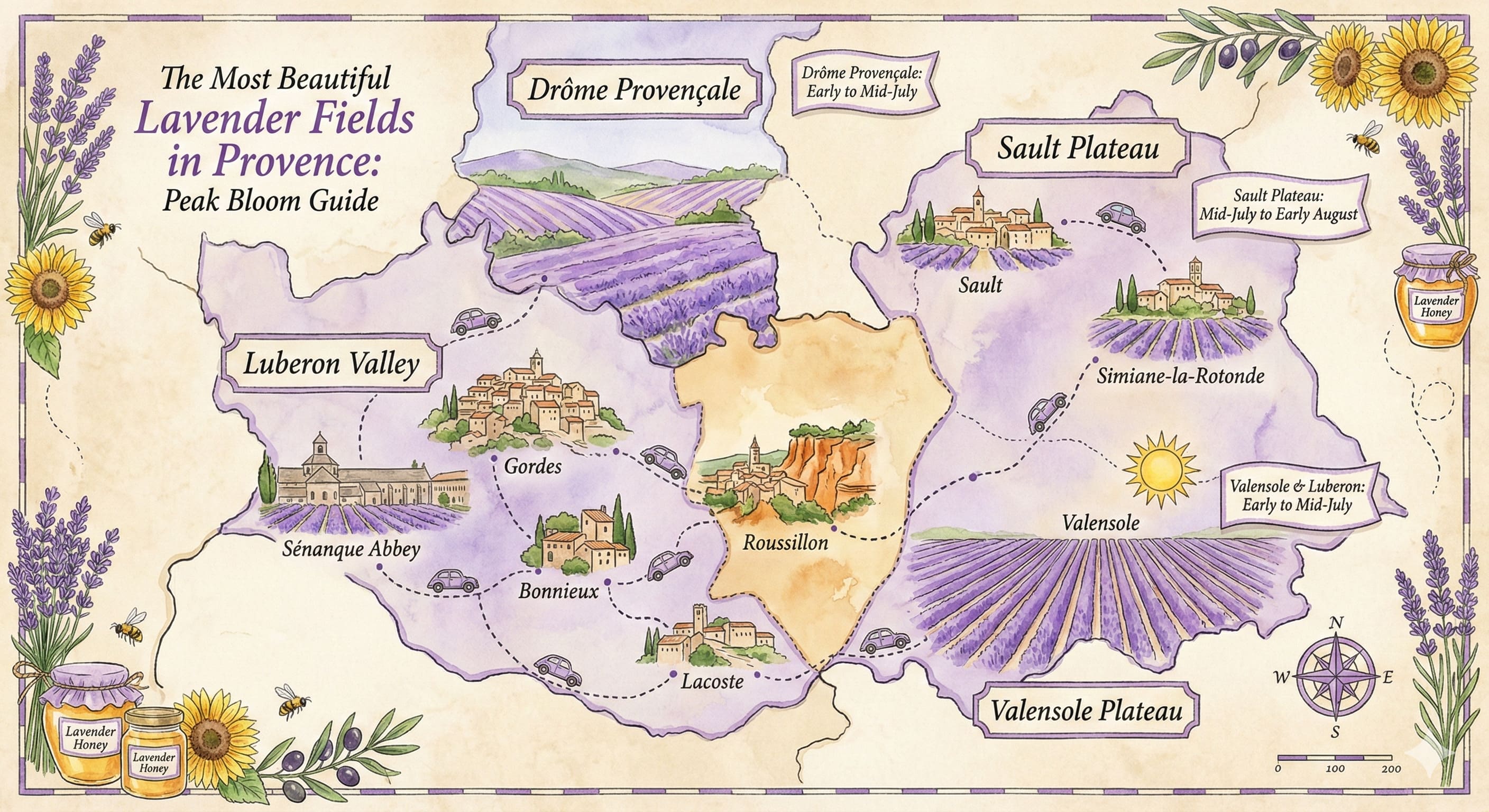
- ✓ Mid-June to Mid-July: The Peak Season. This is the golden period for most lavender fields across Provence. The Valensole Plateau, in particular, reaches its spectacular peak display during this time. For the 2025/2026 seasons, travel guides consistently point to mid-June through mid-July as the absolute best time for vibrant purple fields.
- ✓ Late June: Valensole at its Best. Typically, by the last week of June, the Valensole Plateau is ablaze with color. This period offers the most magnificent and widespread displays, making it a target for photographers and enthusiasts.
- ✓ Early to Mid-July: Luberon and Sault. Due to their higher altitudes, the lavender fields in the Luberon Valley and around Sault tend to bloom a little later. Visitors can often find stunning fields here well into the second week of July, providing a slightly extended opportunity for those who might miss the Valensole peak.
- ✓ Late July to Early August: Drôme Provençale. For those traveling towards the end of July or early August, the Drôme Provençale offers a chance to see some later-blooming fields before harvest. While many fields across Provence will have been harvested by this time, some in this northern region may still be in bloom.
It's important to note that harvest times can vary. Most fields are harvested between mid-July and mid-August. If you're visiting in August, while some distilleries will still be active, the iconic purple carpets will largely be gone. Planning your trip within the mid-June to mid-July window offers the highest probability of experiencing Provence at its most fragrant and visually stunning.
Where to See Lavender: Best Places & Famous Cities
When asking, "Which city in France is famous for lavender?" or "Where is the best place to see lavender in Provence?" several names consistently emerge. While not a single 'city' dominates, specific towns and plateaus are central to the lavender experience.
The Valensole Plateau: The Ultimate Spectacle
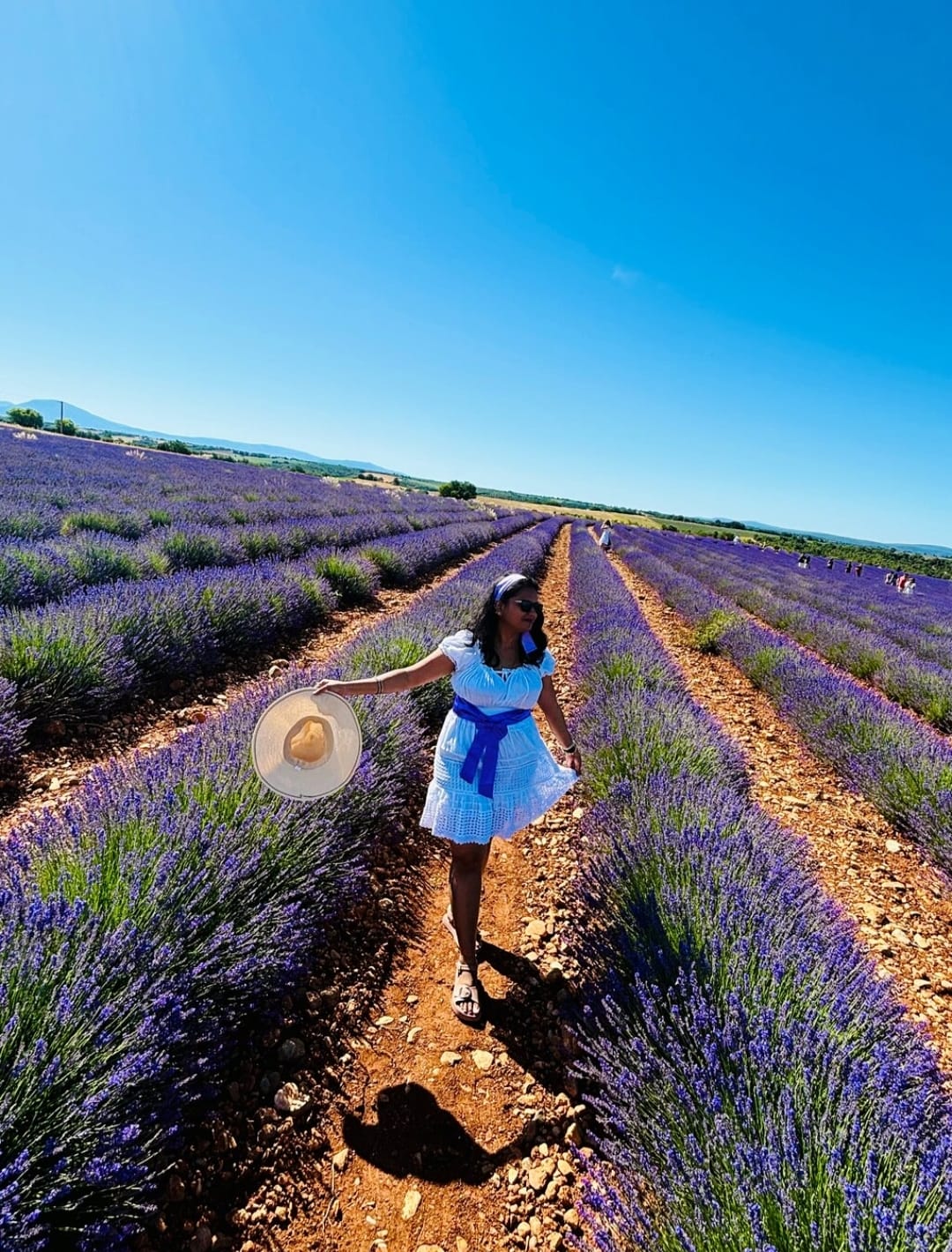
For the most spectacular and classic views, the Valensole Plateau is unequivocally the best place. The town of Valensole itself is often considered the heart of this region. Key routes to explore include the D6 and D8 roads, which wind through immense fields. Don't miss the area around the village of Puimoisson for breathtaking panoramas, often featuring both lavender and sunflower fields side-by-side. This region is perfectly accessible for a day trip from Marseille cruise port or Aix-en-Provence, with our Lavender Fields & Villages tour (5-6 hours) designed specifically for cruise passengers and day visitors.
Sault: The Capital of Fine Lavender
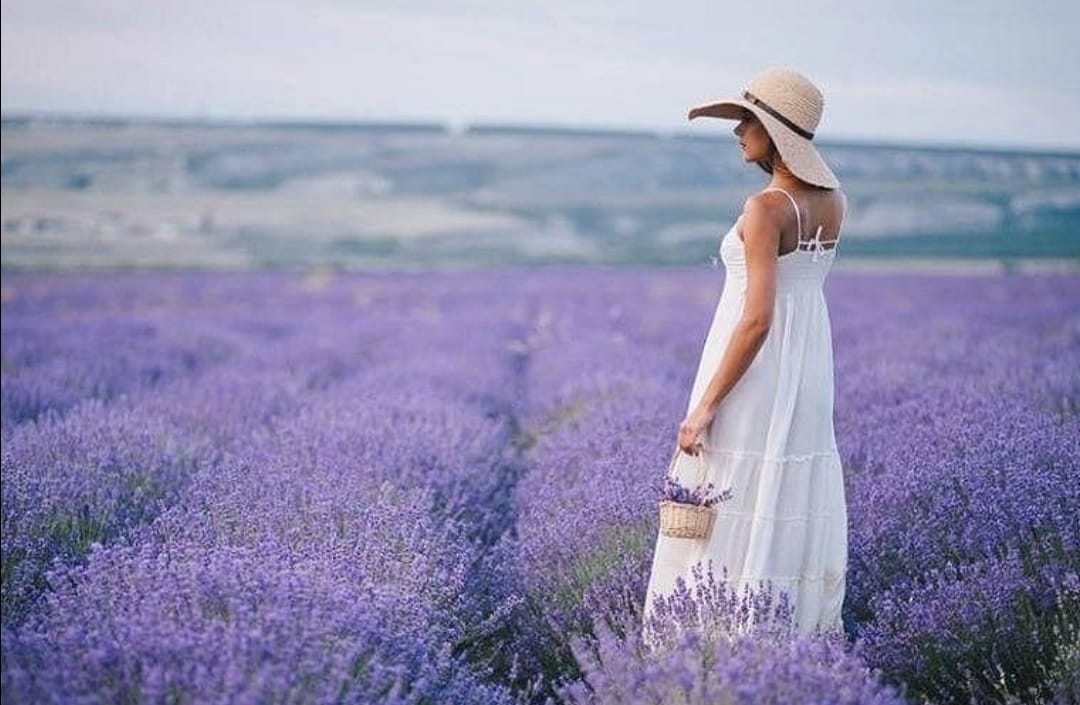
The charming hilltop village of Sault is another famous lavender hub, particularly renowned for 'fine lavender' used in perfumes and essential oils. The fields around Sault offer a different kind of beauty, often with a rugged backdrop of Mont Ventoux. This area is excellent for those looking for a more traditional Provencal village experience intertwined with their lavender viewing.
The Abbey of Sénanque: An Iconic View
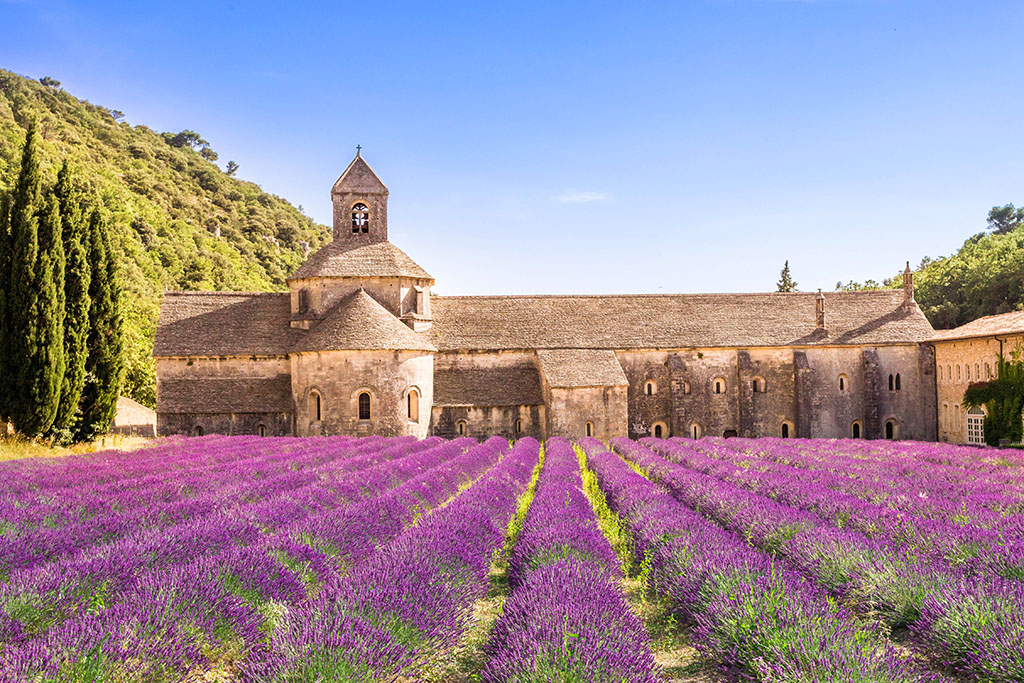
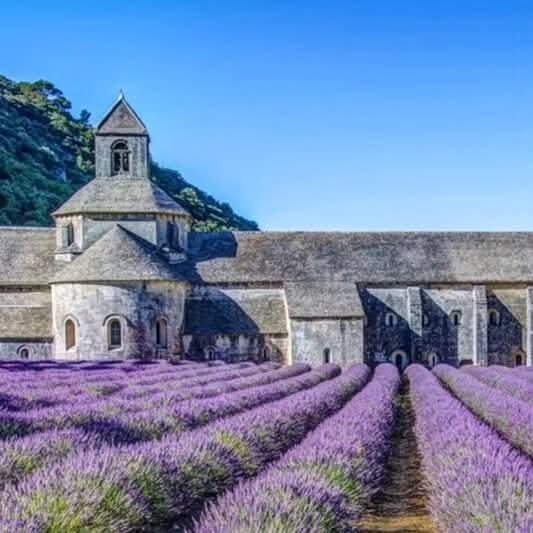
While not a city, the Cistercian Abbey of Sénanque, near the famous village of Gordes, offers perhaps the most iconic photograph of Provence. Its ancient stone walls are framed by immaculate lavender fields, creating a timeless and serene scene. Visiting requires respect for the monastic community, and field access is often restricted to viewing from designated areas. For complete visiting information, including hours, prices, and photography regulations, see our complete guide to Sénanque Abbey. The abbey is easily accessible from Marseille cruise port as part of a Luberon Villages tour.
Other Notable Spots & Scenic Drives:
- ✓ Gordes: While not surrounded by vast fields, this stunning hilltop village provides a picturesque backdrop for many nearby lavender patches.
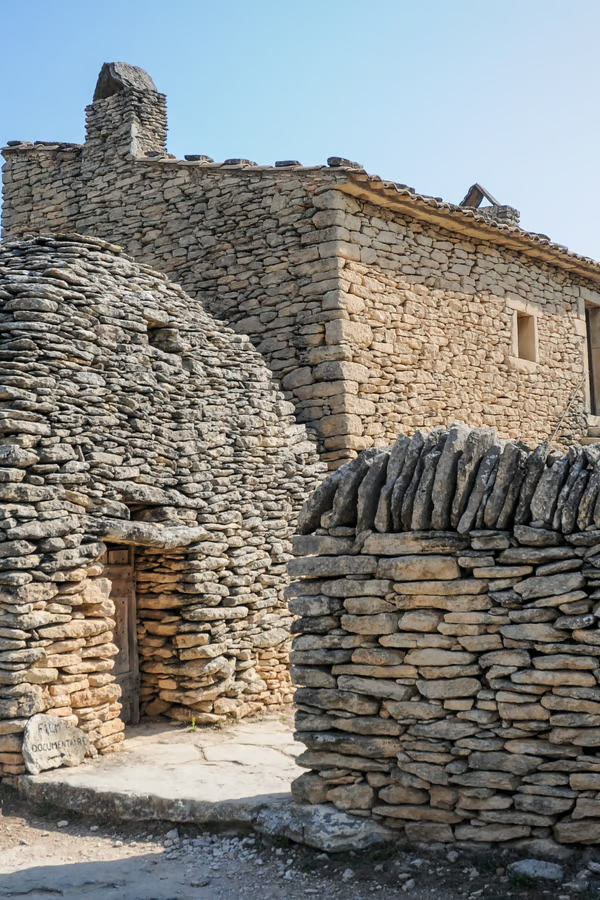
- ✓ Plateau de Claparèdes: Located south of Bonnieux in the Luberon, this plateau offers beautiful fields with fewer crowds.
- ✓ The Pays de Forcalquier: Another excellent region, offering a blend of lavender, olive groves, and charming towns.
Planning Your Lavender Provence Journey: Tips for an Enchanting Visit
To make the most of your lavender experience, careful planning is essential. Whether you choose to explore independently or opt for a curated journey, keep these tips in mind:
Accessibility from Marseille Cruise Port and Aix-en-Provence
For travelers arriving at the Marseille cruise port or staying in Aix-en-Provence, the main lavender regions are perfectly accessible for day tours. The Valensole Plateau is located 1.5-2 hours from Marseille, making it ideal for a full-day excursion. Our Lavender Fields & Villages tour (5-6 hours) is specifically designed for cruise passengers, ensuring timely return to your ship while maximizing your time among the fields.
The Luberon Valley, including Sénanque Abbey and villages like Gordes, is also accessible in a day from Marseille (1.5-2 hours). Our Luberon Perched Villages tour (7-8 hours) combines lavender viewing with exploration of the region's most beautiful hilltop villages. The Sault area and Drôme Provençale are slightly more distant (2-2.5 hours from Marseille) but remain feasible for day trips, particularly from Aix-en-Provence, which offers a more central starting point for these northern regions.
While a rental car offers flexibility, navigating the smaller country roads and knowing precisely where to find the best fields can be challenging, especially for first-time visitors. Our experienced local guides, with over 26 years of expertise, offer a more relaxing and enriching experience. A private driver-guide can take you to hidden gems, explain the botanical nuances of lavender cultivation, and manage all logistics, allowing you to simply soak in the beauty. This is especially valuable for cruise passengers with limited time, where every detail must be precisely coordinated.
Respect the Fields and Farmers
The lavender fields are working farms, not public parks. Always be respectful: do not walk on the plants, do not pick the lavender, and avoid disturbing farming equipment. Respect no-trespassing signs and ask permission before entering private property. Many fields have designated viewing areas along roadsides, which provide excellent photographic opportunities without disturbing the crops. A knowledgeable local guide can often facilitate respectful interactions with farmers and help identify the best viewing spots that don't require entering private fields.
Best Time of Day for Photography
The 'golden hour' – early morning or late afternoon – provides the softest light, making the lavender colors truly pop. Midday sun can be harsh and flatten the vibrancy of the fields. Visiting mid-morning (9-11 AM) or during the golden hour (5-7 PM in summer) offers optimal lighting conditions. An early start also helps avoid crowds, especially in popular areas like Valensole, where midday can see significant visitor traffic. For cruise passengers, early morning departures from Marseille port allow for optimal field conditions while ensuring timely return.
Combine Lavender with Other Provencal Delights
Your lavender journey doesn't have to be solely about the purple fields. Integrate visits to picturesque villages, local markets, and historical sites. Many luxury experiences combine lavender tours with wine tasting, olive oil visits, or explorations of Roman heritage.
Beyond the Fields: Exploring Provence's Charm
While the lavender fields are undoubtedly a highlight, Provence offers a rich tapestry of experiences that perfectly complement a floral tour. Discover the soul of Southern France, where the golden light and timeless charm awaken your senses. You can explore stunningly colorful Provencal markets brimming with local produce, delve into history at ancient Roman ruins and bridges, indulge in unique shopping opportunities, or admire local talent in art galleries. Medieval villages perched atop hills, with their narrow cobblestone streets and breathtaking views, add another layer of enchantment to your journey.
Explore More Provence Tours
Discover our full range of private tours in Provence, from lavender fields to prestigious wineries and charming hilltop villages.
View All Tours → Book Your Tour →Conclusion
With your essential Lavender Provence map and insights into the best times, locations, and botanical characteristics, you are well-equipped to plan a truly magical trip. From the vast expanses of Valensole, dominated by productive lavandin varieties, to the charming hillsides of Sault, where true lavender thrives at higher altitudes, Provence promises an unforgettable experience filled with vibrant colors, intoxicating aromas, and the timeless allure of Southern France.
For travelers arriving at Marseille cruise port or staying in Aix-en-Provence, the main lavender regions are perfectly accessible for day tours. Our Lavender Fields & Villages tour and Luberon Perched Villages tour are specifically designed to maximize your time among the fields while ensuring timely return for cruise passengers. Whether you choose to self-drive or indulge in the convenience and expertise of our experienced local guides with over 26 years of knowledge, the lavender fields of Provence await to enchant you. Book your tour to experience the botanical diversity and breathtaking beauty of Provence's lavender landscapes.